

Old images of civil rights rallies, church marches, and bullhorn speeches don’t adequately capture the modern movement. Rather, it is a dynamic, ever-changing movement that is digital, decentralized, and remarkably diversified. A new moral and political lexicon of activism has emerged as long-standing concerns, such as racial justice, disability rights, climate justice, immigrant equality, and gender identity, have widened their focus.
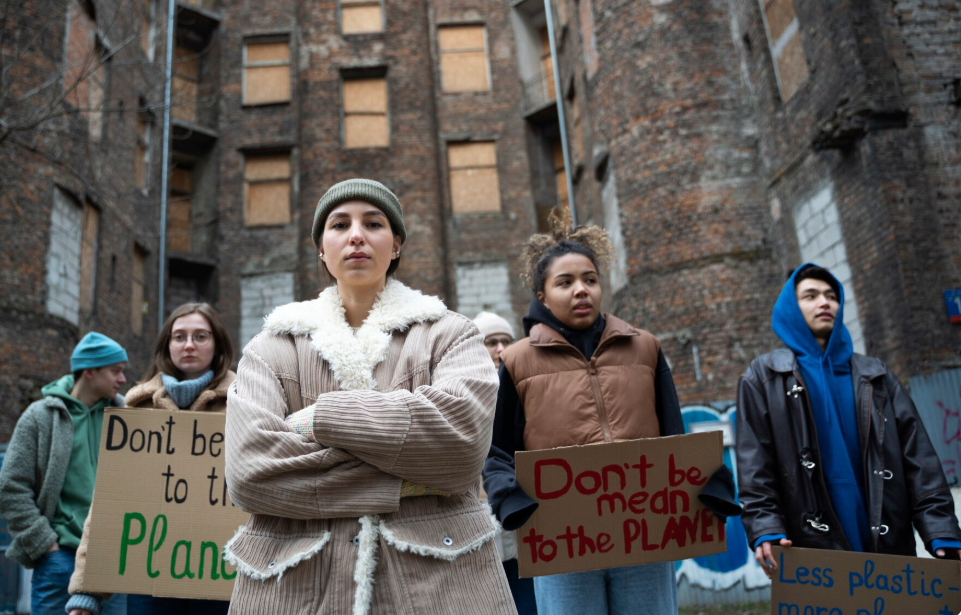
The way people get together and participate has changed drastically in the last ten years, and technology has played a major role in this shift. A lone moral compass does not guide the contemporary movement in the same way that leaders like Martin Luther King Jr. or John Lewis did in the 1960s. Prominent platforms such as pulpits and podiums have been supplanted by hashtags such as #BlackLivesMatter, #MeToo, and #SayHerName. Because of this shift, activism is now accessible to more people and can spread much more quickly; for example, a whole campaign can get millions of followers by lunchtime if it goes viral before breakfast.
Key Information About the Modern Civil Rights Movement
| Aspect | Description |
|---|---|
| Core Focus | Expanding civil rights to include racial justice, gender equality, LGBTQ+ rights, immigration reform, and disability inclusion |
| Key Tools | Social media, online petitions, digital boycotts, decentralized campaigns |
| Notable Platforms | Twitter (X), TikTok, Instagram, and grassroots community forums |
| Key Organizations | Black Lives Matter, MeToo, Sunrise Movement, Human Rights Campaign |
| Global Influence | Shared strategies with movements in Latin America, Asia, and Europe |
| Reference |
Tone and reach are more important than just equipment when comparing the two. From Minneapolis to Manila, the internet has become a global megaphone, allowing underrepresented voices to speak in harmony. Protests, fundraisers, and instructional sessions can be planned with remarkable efficiency through online platforms used by campaigns. Black Lives Matter went from being a three-word slogan to a worldwide demand for racial justice, and the #MeToo movement went from being a series of hushed discussions about sexual harassment in the workplace to a global reckoning.
There are limitations to this instant gratification, though. The current movement is more flexible and less cohesive due to its decentralized leadership. Local projects frequently proceed in tandem instead of in lockstep due to the lack of a central agenda or hierarchy. However, movements are now more robust thanks to this decentralization. Their power is in the group rather than in the charm of any one frontman, so they can weather the arrest, cancellation, or burnout of any one of them.
The broadening of attention is also critical. Issues of voting rights, segregation, and racial discrimination were at the heart of the civil rights struggle in the 1960s. Police brutality, reproductive justice, economic inequality, climate change, and gender equality are just a few of the interrelated concerns that modern activists are fighting for. For the purpose of comprehending the overlap of many oppressions, the notion of “intersectionality,” initially put forth by Kimberlé Crenshaw, has become pivotal. The inclusion of excluded groups is now made to feel systematic, rather than symbolic, via modern marketing that intentionally highlight them inside marginalized populations.
Activism for LGBTQ+ and disability rights is a prime example of this inclusiveness in action. Civil rights groups who were marginalized in the past are now spearheading coalitions that use storytelling, art, and social media to influence policy and public opinion. Disability Rights Education & Defense Fund and the Human Rights Campaign have advocated for policies and shared human stories to advance national conversations. Actress Laverne Cox’s forceful statements on transgender identity and civil rights activist Selma Blair’s work to increase public knowledge of disabilities are examples of how visibility has become a political act in recent cultural shifts.
Not only that, but media coverage has changed dramatically. Protesters today record their own narrative, in contrast to the reliant on favorable reporters during the 1960s marches. Because of its ability to record confrontations between citizens and law enforcement, the camera phone has evolved into a powerful tool for all sides of the debate. The powerful impact of unfiltered truth was demonstrated by videos depicting events such as the 2020 murder of George Floyd or the assaults on nonviolent protesters in Ferguson, which rallied millions of people around the world. Images from the movement are now more widely shared through personal feeds than through broadcast networks; they are real, unfiltered, and incredibly human.
Meanwhile, new obstacles arise in the digital realm. One common complaint leveled against “clicktivism,” or online action, is that people’s interest quickly wanes. Organizers face challenges in turning awareness into lasting change as hashtags come and go. But internet campaigns have been the engine that has pushed through some of the most important policy changes of the last several years, including measures to increase voter access, diversity hiring promises, and laws requiring police to account for their actions. The most important thing is to keep engaging even after the algorithm has moved on.
The revolutionary impact of the contemporary movement has been amplified by its worldwide scope. Global activists increasingly collaborate on more than just catchphrases; they also share tactics. Global solidarity marches in response to US protests have taken place in cities like London, Lagos, and Sydney; meanwhile, Iranian and Nigerian movements such as Women, Life, Freedom and End SARS have impacted American discourse. The level of global activity has been significantly raised as a result of this exchange, which has resulted in the formation of coalitions that are extraordinarily effective at shifting strategies to fit various cultural circumstances.
The Center on Law, Race and Politics at Duke Law and other academic institutions have stressed the need of viewing the civil rights movement as a global movement as well as a domestic one. At their conference, titled “The Present and Future of Civil Rights Movements: Race and Reform in 21st Century America,” they presented this not as a finished chapter but as an ongoing continuity. While participants acknowledged the ways in which technology and youth leadership are transforming advocacy methods, they also discussed long-standing obstacles such as mass imprisonment, housing inequality, and voting suppression. One thing that came out of these conversations was how important it is to think about the past and the future simultaneously in order to make progress.
Surprisingly, celebrity impact is also crucial. Celebrities like Beyoncé, Colin Kaepernick, and Harry Styles have reshaped public debate by fusing pop culture with activism. The kneeling Kaepernick did during the playing of the national anthem sent shockwaves across the sports world and ignited discussions on racial justice, protest, and patriotism. Artists such as Lizzo and Billie Eilish have helped normalize conversations on gender fluidity and body image. Through their voices, activism is able to be expressed in ordinary language, reaching a wider audience emotionally.
The fact that symbolic gestures aren’t enough is, nevertheless, becoming more and more apparent. Along with social media posts, endorsements, and donations, there needs to be reform in policies, more fair employment procedures, and clear accountability mechanisms. As a matter of fact, modern activists are demanding that organizations shift their focus from diversity rhetoric to quantifiable equity. When companies’ behavior doesn’t match their promises, they are now subject to online boycotts, even though they were previously satisfied with performative allyship. This is data-driven strategy with an unprecedented level of transparency; it’s advocacy by metrics.
