

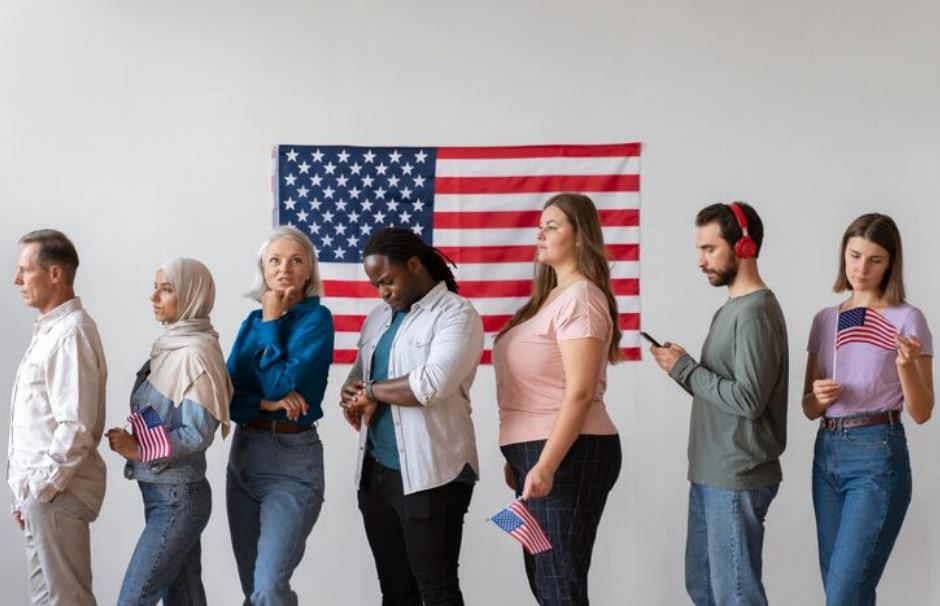
Campaigns, speeches, and corporate pledges have all praised America’s race for inclusion, but the shortcomings of these initiatives are remarkably consistent across all sectors. While Black and Hispanic Americans report more diversity in their daily interactions, many White Americans still live and work in racially homogeneous environments. Those who are sheltered by privilege find it challenging to acknowledge injustices that are still ingrained in society as a result of this ongoing division.
When one looks back in time, the causes of these injustices become remarkably evident. Slavery, immigration restrictions, and forced relocation are just a few examples of the centuries-long disadvantages brought about by discriminatory policies. With Black families frequently owning only a small portion of White family wealth, the racial wealth gap has notably continued. These economic disparities show up as healthcare gaps that continue to result in shorter lifespans for entire populations and environmental injustices where disadvantaged communities are disproportionately exposed to pollution.
| Category | Details |
|---|---|
| Persistent Segregation | White Americans largely live, work, and socialize within racially similar circles, limiting genuine integration |
| Systemic Racism | Historical legacies of slavery, displacement, and discriminatory laws continue shaping economic and social inequities |
| Economic Disparities | The racial wealth gap, healthcare inequities, and environmental burdens weigh disproportionately on marginalized groups |
| Superficial Inclusion | Cultural appropriation in industries like fashion and entertainment commodifies heritage without genuine representation |
| Flawed DEI Efforts | Programs often prioritize optics or compliance instead of dismantling systemic bias and barriers |
| Data Limitations | Insufficient and culturally insensitive data collection masks the true scale of inequities |
| Zero-Sum Mentality | A widespread belief that progress for marginalized groups equals losses for others fuels backlash |
| Burden on Minorities | Marginalized employees are expected to lead resource groups and educate peers without adequate recognition |
| Cultural Backlash | Pushback against equity and inclusion undermines sustainable progress |
Despite being cloaked in progressive rhetoric, superficial inclusion frequently takes the place of true representation. Fashion shows often minimize heritage to a fleeting fad by showcasing Black or Indigenous cultural aesthetics without giving due credit or compensation to the creators. While Black women with similar hairstyles face discrimination, celebrities like Kim Kardashian have been criticized for sporting Black-inspired hairstyles and yet receive praise. This paradox—celebration when commercialized, punishment when experienced—shows how inclusion can be twisted.
Diversity initiatives in the workplace often fall short because they put compliance ahead of change. Although required diversity training is meant to lessen bias, Harvard research has shown that it can actually increase prejudice and spark resistance. Workers frequently express feeling worn out, dubious, or demoralized when initiatives don’t have obvious executive backing. Diversity initiatives rarely produce significant change in the absence of sufficient funding, leadership commitment, and quantifiable results, according to Lily Zheng, author of DEI Deconstructed. Employees become less trusting and more cynical as a result of this weariness.
Additionally, data conceals more than it discloses. For example, Asian Americans frequently fall into general categories that mask their underrepresentation in positions of leadership. Despite having high levels of education, Asian Americans are still notably underrepresented in senior roles, according to federal workforce studies. Inequities may persist while progress is inflated in the absence of culturally sensitive measurement.
Inclusion has been further weakened by the zero-sum mentality. Racial progress is seen by many Americans as a danger to their own progress. Politically weaponized, this way of thinking fuels opposition to practices like equity-focused hiring and affirmative action. However, studies consistently demonstrate that diverse teams generate more creative solutions and better business outcomes. Apple and Google openly emphasize this link, but narratives of backlash portray inclusion as favoritism rather than a step forward for the group, obscuring the discussion with fear rather than facts.
Additionally, marginalized workers are disproportionately responsible for promoting inclusion. They are asked to mentor others, run employee resource groups, or inform coworkers about injustices—often without acknowledgment or payment. This demand is draining and unjustly absolves those in positions of authority of accountability. Instead of leaving the task of breaking down systemic barriers to those who are most impacted, leaders and majority groups must take responsibility for it if real progress is to be made.
These shortcomings are strikingly reflected in the entertainment sector. The #OscarsSoWhite movement, which was sparked by the Oscars’ failure to acknowledge Black creators, altered procedures for a short time but failed to bring about long-term change. While institutions frequently react with symbolic gestures rather than systemic reform, musicians like Kendrick Lamar and Beyoncé use their platforms to draw attention to injustice. This disconnect between institutional response and advocacy highlights how flimsy progress is when it relies more on appearances than on accountability.
These hidden defects have a remarkably high social cost. Gen Z and other younger generations are notably outspoken in their opposition to workplaces that view inclusion as performative. Talent is quickly moving away from flimsy campaigns and toward companies that integrate equity into their culture. When systemic injustices are not addressed, political polarization increases, stoking animosity and division. When organizations seem to view inclusion as a short-term branding exercise rather than a long-term ethical and strategic commitment, they lose credibility.
Celebrity activism serves as an example of the strength and difficulty of promoting inclusivity. Although Colin Kaepernick lost his NFL career as a result of his protests against police brutality, they ignited a national dialogue that changed the way that people talk about justice and race. Beyoncé’s cultural declarations have sparked discussions that have made industries face hard realities. Their bravery demonstrates how individual action can raise awareness, but it also highlights how institutions frequently oppose systemic change in favor of symbolic recognition rather than structural change.
Despite being obvious, the flaws are not insurmountable. Institutions can regain momentum and trust by redefining equity as collective growth rather than competition, incorporating inclusion into organizational DNA, and utilizing data that reflects lived realities. Authentic representation must elevate underrepresented voices rather than appropriate their aesthetics. Although these actions might seem small, they are very effective at bringing about long-lasting change.
