

The idea that racism will never completely vanish has long served as the foundation for discussions regarding its eradication. Although previous generations have fought with remarkable bravery, they frequently reiterated the same theme: racism is a constant battle that should be opposed but not eradicated. Younger generations, however, are boldly rethinking that idea. They are questioning whether the cycle can be ended at last and whether this is the time to confront racism head-on and put an end to it completely.
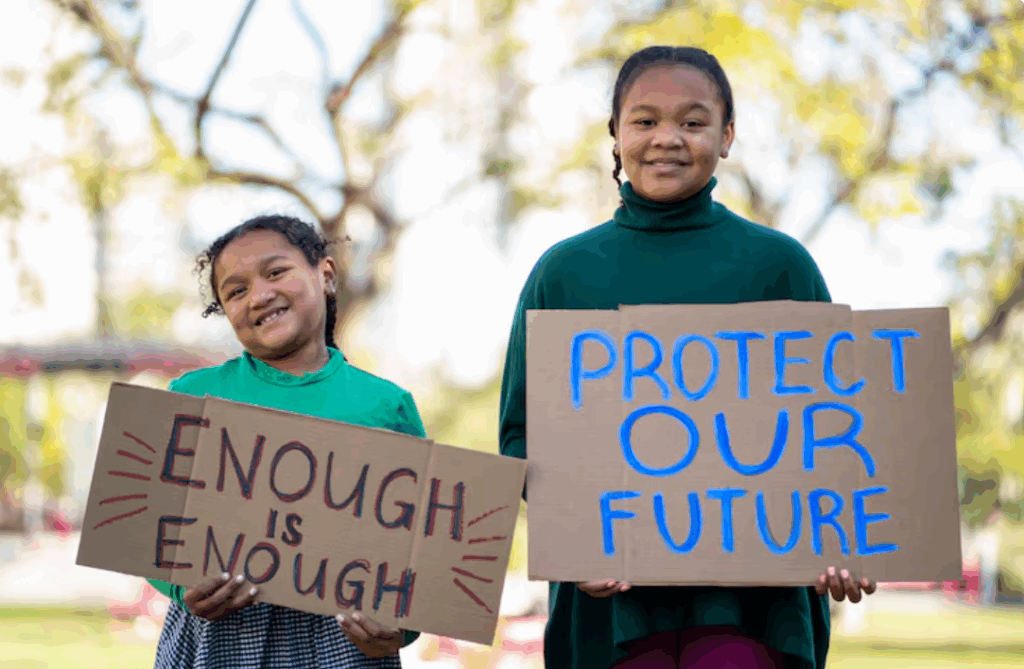
“Ours is the struggle of a lifetime, or perhaps many lifetimes, and each one of us in every generation must do our part,” as the late Congressman John Lewis once stated. Although his words continue to reverberate, a new generation is reinterpreting them. What if “doing our part” means not simply carrying on the battle but bringing it to a close? What if enough individuals refuse to accept racism’s permanence and the objective of eliminating it becomes a reality rather than an illusion?
Key Information on Generational Change and Anti-Racism
| Category | Information |
|---|---|
| Core Focus | The evolving attitudes of younger generations toward ending racism |
| Generations Driving Change | Millennials, Gen Z, and early Gen Alpha |
| Key Historical Figures | John Lewis, Rosa Parks, Martin Luther King Jr., Harriet Tubman, Patrisse Cullors |
| Central Question | Can one generation dismantle racism through awareness, empathy, and systemic change? |
| Influencing Factors | Education, global awareness, technology, representation, activism |
| Major Challenges | Structural inequalities and adaptive forms of discrimination |
| Critical Approach | Shift from “lifelong struggle” to an actionable goal of eradication |
| Reference |
Experts believe that racism does not fade quietly; it adapts. The roots are still there, but the language, policy, and look are altered. However, Gen Z, a generation accustomed to global communication and technology, is reinventing activism. They recognize the interconnectedness of all forms of inequality and do not distinguish between race, economy, gender, and the environment. Because it enables people to face racism as a network of systems rather than just as prejudice, this insight is very novel.
In addition to being psychological, the change is cultural. In the past, anti-racism frequently meant preserving one’s rights, upholding one’s dignity, and surviving in dangerous situations. It entails reworking the societal blueprint for today’s young. They are establishing new areas where belonging is the norm rather than requesting permission to do so. Their discussions have proven to be incredibly successful at addressing prejudice in real time in online forums, workplaces, and classrooms.
This change has been mostly attributed to technology. Digital activism brought millions of people together across boundaries during global movements like Black Lives Matter, especially through platforms like X, Instagram, and TikTok. Compared to conventional protests alone, a single post may force public accountability more quickly because it could reach governments and corporations in a matter of hours. Once hidden under silence, racial concerns are now much more visible thanks to this accessibility.
But awareness is insufficient on its own. The battle against racism is structural in nature rather than merely moral. Laws, employment procedures, educational opportunities, and healthcare results are all still characterized by systemic inequity. The task for the next generation is to make compassion a policy. Both educators and activists contend that this will necessitate a shift from awareness campaigns to quantifiable, structural adjustments, a process that calls for both perseverance and a defined goal.
After all, inertia is what keeps racism alive. One of its strongest defenses is now the belief that “it will always exist.” When movements begin with the premise that victory is unattainable, energy disperses into survival rather than strategy. Changing that perspective is especially helpful for fostering a feeling of purpose and optimism. In this instance, belief is a strategy rather than just optimism. If you secretly think equality is impossible, you cannot create a system for it.
The current generation’s refusal to accept an ongoing battle is reminiscent of earlier pivotal moments in the history of civil rights. Similar to how LGBTQ+ rights and gender equality gained unstoppable pace when the discourse shifted from acceptance to normality, anti-racism efforts are becoming more clear when presented as solvable rather than irreversible. Gen Z’s perspective is strikingly clear: if a system was built by people, it can be modified by people.
They use an analytical and emotional approach. They have no qualms about facing the past while also envisioning its future. Shared accountability is replacing the myth of hereditary blame. This new way of thinking is quite effective at destroying defensiveness and substituting conversation for it. Data on inequality, economic reform, and media accountability are increasingly included in conversations about race in workplaces and colleges, demonstrating how education has changed over time.
The global consciousness of this generational shift is among its most intriguing features. Young people in Brazil, South Korea, Kenya, and France participate in the same online conversation as those in the US or the UK. They demonstrate that racism, despite being systemic, can be addressed collaboratively by exchanging experiences and solutions across continents. Because it eliminates isolation and replaces it with togetherness, this interconnected activism is especially potent.
This change has been exacerbated by celebrities as well. Global platforms have been utilized by artists such as Beyoncé, Kendrick Lamar, and Harry Styles to draw attention to racial injustice and promote empathy. LeBron James and Marcus Rashford are two athletes who have turned their influence into activism. The movement becomes a chorus rather than a solo when well-known people join grassroots campaigners; it becomes a symphony of societal pressure that gets harder to ignore.
However, personal power continues to be the most transforming. Stories of injustice and tenacity are passed down through generations, but this one appears resolved to avoid repeating them. They recognize the importance of both policy reform and emotional rehabilitation. Empathy destroys the division that racism relies on. By establishing spaces for honesty and vulnerability — through podcasts, art, and digital discussion — this generation is redefining how empathy operates at scale.
However, the route forward still demands strategy, not just sentiment. Addressing disparities in housing, income, healthcare, and justice is essential to eradicating racism. It entails reeducating the public about what fairness actually looks like while holding institutions accountable. It entails recognizing injustice before it solidifies into structure and shifting from response to prevention. Never before have so many young people been so ready to take on such a large amount of labor.
Harriet Tubman, Martin Luther King Jr., and John Lewis all battled for a future they would never experience. Others were inspired to have greater dreams by their bravery. With their sacrifices and new means at their disposal, the current generation might finally be in a position to realize that ideal. It’s a possibility rather than a guarantee, and it gets stronger every time a young person rejects inherited hatred.
